Four Derbies In The Land Of Sprinters - Why?
Australia has approximately 75 Group 1 races at the moment (depending on the latest pattern committee decision), and it has been widely discussed in the media this year that this number is way too high.
Australia stages four Group 1 Derbies over 2400m to 2500m despite a breeding industry that prioritises speed over stamina. In contrast, Europe’s elite racing nations England, Ireland, and France each run a single Derby, backed by 250 years of staying bloodlines. Australia is running endurance tests for a population of sprinters and milers.
The result: diluted quality and a lack of purpose. Australia does not breed stayers in the volume required to justify four separate Classics.
The European Benchmark
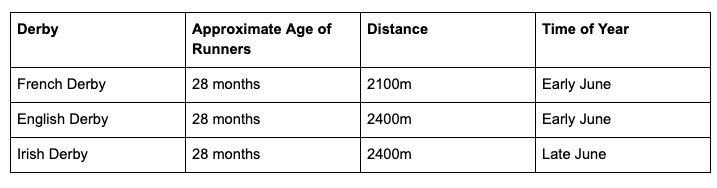
Europe’s Derbies are concentrated in June, ensuring runners compete at peak, uniform physical maturity, roughly 28 months from foaling.
 |
|---|
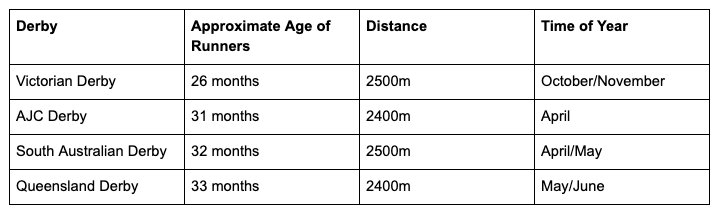
Australia’s program is fragmented. A wide age gap and disparate race dates create significant developmental imbalances between runners.
 |
|---|
The Victorian Derby is much too early. Runners are 5 to 7 months younger than their autumn counterparts, a 20-25% deficit in developmental lifespan. Some contestants are biologically two-year-olds.
The race is too taxing, hence why most runners fail to repeat Group 1 form. The combination of extreme distance, fast ground and immaturity wears them out before they can train on.
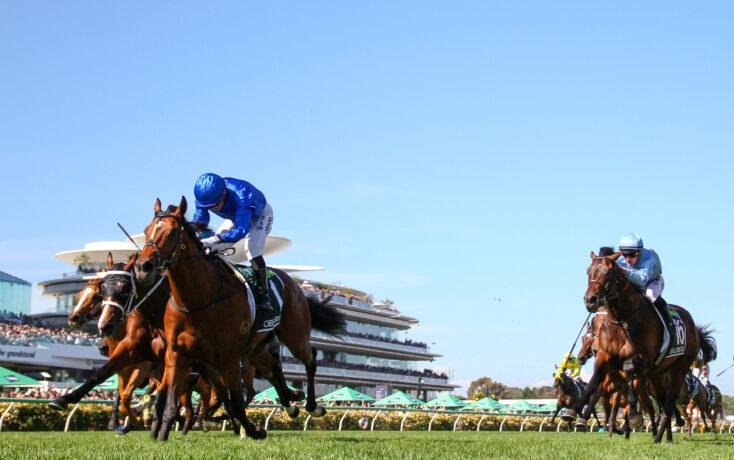
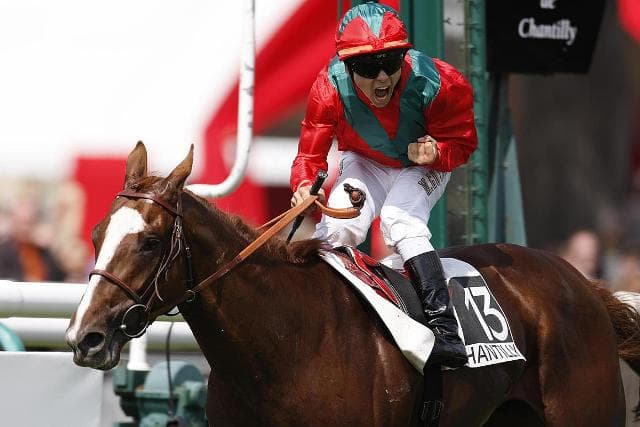
Observer (Ghaiyyath) winning the 2025 Victorian Derby Source: Just Horse Racing
What the French Derby Tells Us
In 2005, the French Derby (Prix du Jockey Club) was reduced from 2400m to 2100m to save its status as a stallion-maker. The move was a triumph.
Since the change, winners like Shamardal, Lope de Vega, Le Havre, New Bay and St Mark’s Basilica have made an impact on the European stallion landscape. Notably, French Derby winners have produced 127 more stakes winners than their Epsom and Irish Derby counterparts in the same period (since 2005).

A quick reminder that stamina without speed has little value at stud in this modern era.
The Hong Kong Reality Check
Hong Kong is Australia’s vital export market, yet it has less appetite for true stayers. Its program features only three stakes races beyond 2000m: the Hong Kong Vase, Queen Mother Memorial Cup and the Standard Chartered Cup.
We are running four 2400m / 2500m Derbies, which creates a profile that has little value at stud and less value towards the export market, both wanting horses with top performance at 1000m–2000m.
The current program ignores the economic reality of the industry.
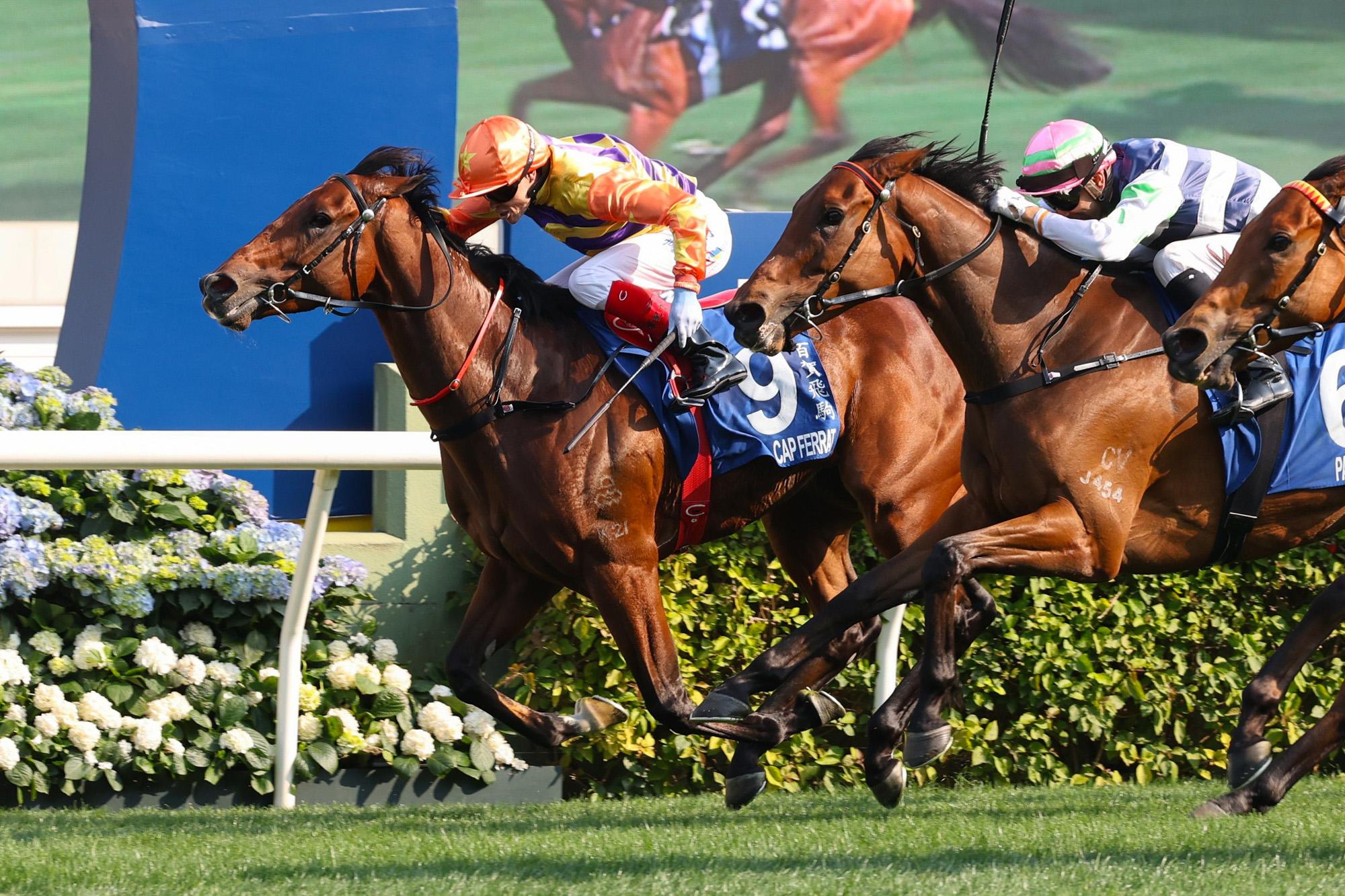
Cap Ferrat (Snitzel) winning the Hong Kong Derby Source: Hong Kong Jockey Club
What Should We Do?
Reclassify the VRC Derby as Group 2 at 2000m. Position it as a development race for the AJC Derby or Cox Plate (the following year), sparing immature horses the physical toll of 2500m.
Retain the AJC Derby at 2400m. As a late-season test for mature horses, it is the only race that justifies Group 1 status as a genuine staying Classic. It is the only Australian Derby that has produced a significant commercial stallion in the last 20 years, named Dundeel.
The eventual winner of the two races named above could stamp himself as the best stayer of his generation in Australasia and would have some appeal at stud, particularly in NZ.
Strip the SA and QLD Derbies of their Group 1 and Derby status. Replace both with high-value 1000m–2000m races that align with the Australian breed and provide proper trials for the Asian market. These two races should be for three-year-old and older horses because the local population of each two states doesn't justify having Group 1 races for three-year-olds only.
Group One races should give their best contenders the chance to contribute back to the breed. If the current derbies mostly serve as a platform to sell horses to Asia, then let's retool them so the proposition is more appealing to both buyers and sellers.
The best three-year-old colt, one capable of winning a top race in the spring over 2000m and backing it up in the autumn over 2400m at Group 1 level, could then be celebrated as the best three-year-old stayer of his generation, with significant stud appeal to match.
A national approach that respects the smaller racing states
The name Derby is widely renowned as a symbol of excellence and stamina.
However, we understand that each racing state needs its moment in the sun, its crowning glory. Much of the local racing and breeding industry needs something grand to aim for.
Just as the Quokka has revitalised WA racing, or the Everest has done for NSW, new incentives and race concepts could be brought forward to complement the existing program and give the smaller racing states their own pinnacle race.
What we don't need is more Group Ones, and certainly not more Derbies.